Why Chia Seeds Are Good: 7 Science-Backed Health Benefits That Actually Matter
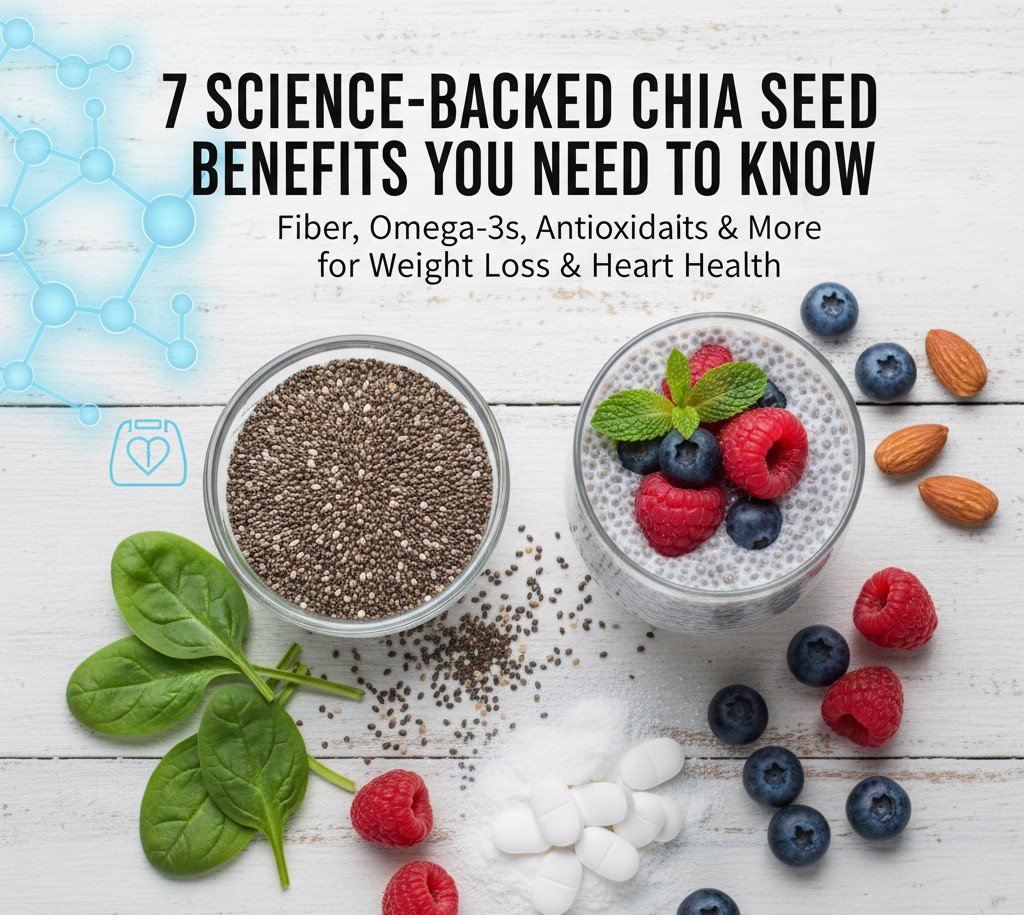
Chia seeds are good for you because they’re loaded with fiber, omega-3 fatty acids, antioxidants, and essential minerals that support heart health, bone strength, blood sugar control, and potentially weight loss—all packed into just two tablespoons.
These tiny black or white seeds might look unimpressive, but they’ve been fueling civilizations since the Aztec and Mayan empires. Today, modern science confirms what ancient cultures knew instinctively: chia seeds are nutritional powerhouses that can play a meaningful role in your daily health routine.
TL;DR: What You Need to Know About Chia Seeds
Chia seeds deliver an impressive nutritional punch with nearly 10 grams of fiber, 5 grams of omega-3 ALA, and significant amounts of calcium, magnesium, and antioxidants in just one ounce. Research suggests they may support weight loss, reduce heart disease risk, strengthen bones, and help regulate blood sugar levels. They’re incredibly versatile—you can toss them into smoothies, yogurt, oatmeal, or make chia pudding without any special preparation.
But here’s what most people don’t realize: the way you consume chia seeds can dramatically impact how your body absorbs their benefits.
What Makes Chia Seeds So Nutritionally Dense?
Chia seeds pack more nutrients per gram than almost any other food on the planet.
Just one ounce (28 grams or about 2 tablespoons) contains 138 calories but delivers 9.8 grams of fiber (that’s more than a third of the seed by weight), 4.7 grams of protein, and a whopping 5 grams of alpha-linolenic acid (ALA)—the plant-based omega-3 fatty acid your body needs but can’t produce on its own.
The mineral content is equally impressive:
- Calcium: 14% of your daily value
- Magnesium: 23% of your daily value
- Phosphorus: 20% of your daily value
- Iron: 12% of your daily value
- Zinc: 12% of your daily value
You’ll also get significant amounts of B vitamins, including 15% of your daily thiamine and 16% of your niacin needs.
What’s remarkable is that all this nutrition comes from just two tablespoons—a serving size that’s almost ridiculously easy to add to your existing meals. And unlike some superfoods that require elaborate preparation, chia seeds work with virtually any recipe.
But nutrition density is just the beginning. The real magic happens when these nutrients start working together in your body…
Can Chia Seeds Cause Diverticulitis? The Fiber Factor Explained
No, chia seeds don’t cause diverticulitis—in fact, the high fiber content in chia seeds may actually support digestive health when consumed properly.
There’s an outdated medical myth that small seeds can lodge in diverticular pouches and cause inflammation. However, modern research has debunked this concern. The real consideration with chia seeds is their exceptional fiber content: nearly 10 grams per ounce, which represents about 35% of the seed by weight.
If you’re not accustomed to eating high-fiber foods, jumping straight into large servings of chia seeds can cause temporary digestive discomfort like bloating or diarrhea. The solution is simple: start small (try one tablespoon daily) and gradually increase your intake while drinking plenty of water.
Here’s the critical part most people miss: Chia seeds absorb up to 12 times their weight in water. If you eat them dry without adequate hydration, they can absorb moisture from your digestive tract, potentially causing discomfort. Always soak them first or ensure you’re drinking enough water throughout the day.
For anyone with existing digestive conditions, including diverticulitis, it’s smart to consult your healthcare provider before adding any new high-fiber food to your routine.
Now that we’ve cleared up the digestive concerns, let’s talk about what chia seeds can actually do for your body—starting with their powerful antioxidant profile…
How Antioxidants in Chia Seeds Protect Your Body
Chia seeds are loaded with antioxidants that fight cellular damage and may slow aging at the molecular level.
These compounds serve a dual purpose: they prevent the delicate omega-3 fats in the seeds from going rancid, and they neutralize free radicals in your body—those unstable molecules that damage cells and contribute to aging, cancer, and chronic diseases.
The specific antioxidants in chia seeds include:
- Chlorogenic acid: May help lower blood pressure
- Caffeic acid: Offers anti-inflammatory effects
- Myricetin: Provides heart-protective benefits
- Quercetin: Supports immune function
- Kaempferol: Shows anticancer properties in research
These antioxidants work together to protect your heart and liver while potentially reducing your risk of various diseases. Unlike antioxidant supplements that isolate single compounds, chia seeds deliver a natural combination that your body recognizes and uses efficiently.
The beauty of getting antioxidants from whole foods like chia seeds is that you’re getting them alongside fiber, protein, and healthy fats—a combination that enhances absorption and effectiveness.
Antioxidants set the foundation for cellular health, but what about the question everyone asks: can chia seeds actually help you lose weight?
Which Chia Seeds Are Best for Weight Loss? The Truth About Fiber and Protein
Both black and white chia seeds are equally effective for weight loss—the color doesn’t matter, but how you use them does.
The weight loss potential of chia seeds comes down to two key factors: their impressive fiber content (nearly 10 grams per ounce) and their protein content (4.7 grams per ounce). Both nutrients have been shown to increase feelings of fullness and reduce overall food intake.
Here’s what the research actually shows:
One study found that participants who ate just 7-14 grams of chia seeds mixed with yogurt for breakfast felt fuller and ate less throughout the day compared to those eating plain yogurt. The protein in chia seeds helps reduce appetite, while the fiber slows digestion and keeps you satisfied longer.
However—and this is important—the research on chia seeds and weight loss shows mixed results. An older study with 90 participants found that taking 50 grams of chia seed supplements daily for 12 weeks didn’t affect body weight or health markers. But a more recent 6-month study found that people with overweight or obesity and type 2 diabetes who ate chia seeds daily while following a reduced-calorie diet experienced significantly greater weight loss than those who didn’t.
The bottom line: Chia seeds alone won’t magically melt away pounds. They work best as part of a balanced, calorie-controlled diet. Think of them as a helpful tool, not a magic solution.
Weight management is just one piece of the puzzle. Your heart health might be an even more compelling reason to add chia seeds to your routine…
Can Chia Seeds Lower Your Risk of Heart Disease?
Yes, chia seeds may reduce heart disease risk, primarily because they’re rich in soluble fiber and omega-3 ALA—both linked to better cardiovascular health.
The soluble fiber in chia seeds can help lower total cholesterol and LDL (the “bad” cholesterol) in your bloodstream. When you reduce LDL cholesterol, you directly decrease your risk of heart disease and stroke.
The omega-3 fatty acid in chia seeds—alpha-linolenic acid (ALA)—has also been independently linked to decreased heart disease risk in multiple studies. While ALA isn’t as potent as the EPA and DHA found in fish oil, it still provides meaningful cardiovascular benefits.
Animal studies have shown that chia seeds can lower triglyceride levels and reduce oxidative stress, both significant heart disease risk factors. In human research, chia seed supplements significantly reduced blood pressure in people with hypertension—a major risk factor for heart attacks and strokes.
That said, the research specifically on chia seeds and heart health is still evolving. While the individual nutrients in chia seeds clearly benefit cardiovascular health, scientists need more large-scale human studies to definitively prove the direct connection.
Practical takeaway: Given their nutrient profile and safety record, chia seeds represent a low-risk, potentially high-reward addition to a heart-healthy diet.
Your heart isn’t the only organ that benefits from these tiny seeds. Your skeletal system might have just as much to gain…
Why Chia Seeds Strengthen Your Bones
Chia seeds contain four critical bone-building nutrients: calcium, phosphorus, magnesium, and ALA—all essential for maintaining strong bone mineral density.
Just one ounce of chia seeds delivers 14% of your daily calcium needs, 20% of your phosphorus, and 23% of your magnesium. These minerals work synergistically to build and maintain the structural integrity of your bones.
Multiple observational studies suggest that getting adequate amounts of these nutrients is crucial for maintaining good bone mineral density—essentially, how strong and dense your bones are. Low bone mineral density increases your risk of fractures and osteoporosis as you age.
The ALA omega-3 in chia seeds may also play a unique role in bone health. Research has found associations between ALA consumption and increased bone mineral density, though scientists are still working to understand the exact mechanisms.
One animal study found that rats who received chia seeds daily for about 13 months had significantly increased bone mineral content compared to a control group, with researchers crediting the ALA content for this benefit.
Important note: While animal studies and observational research are promising, we need more controlled human trials specifically examining chia seeds and bone health before making definitive claims.
Strong bones support your body’s structure, but what about the fuel that powers it—your blood sugar?
Do Chia Seeds Help Regulate Blood Sugar Levels?
Yes, chia seeds may help stabilize blood sugar, likely due to their high fiber content and beneficial plant compounds.
For people with diabetes or prediabetes, consistently high blood sugar levels increase the risk of serious complications, including heart disease, nerve damage, and kidney problems. Anything that helps regulate blood sugar without medication side effects is worth attention.
Animal studies have found that chia seeds may improve insulin sensitivity—your body’s ability to use insulin effectively to move sugar from your bloodstream into your cells. Better insulin sensitivity means more stable blood sugar levels after meals.
The human research is limited but promising. Older studies from 2010 and 2013 found that when healthy adults ate bread containing chia seeds, they experienced lower post-meal blood sugar spikes compared to eating regular bread without chia seeds.
The mechanism likely involves the soluble fiber in chia seeds, which slows the breakdown of carbohydrates and the subsequent release of sugar into your bloodstream. This creates a more gradual, controlled rise in blood sugar rather than a sharp spike.
Critical caveat: While early research is encouraging, we need more extensive studies before recommending chia seeds specifically for diabetes management. If you have diabetes, work with your healthcare provider before making dietary changes.
With all these potential benefits, you might be wondering how to actually incorporate chia seeds into your daily routine…
How to Use Chia Seeds: Ratios, Recipes, and Practical Tips
Chia seeds are remarkably versatile because they taste mild and require zero preparation—you can literally sprinkle them on anything.
Chia Seeds to Water Ratio
For chia gel (which you can use as an egg substitute or pudding base), mix 1 tablespoon of chia seeds with 3 tablespoons of water. Let it sit for 15-20 minutes until it forms a gel-like consistency. This 1:3 ratio works perfectly for most recipes.
Chia Seeds to Milk Ratio
For chia pudding, use 3 tablespoons of chia seeds to 1 cup of milk (dairy or plant-based). Stir well, refrigerate for at least 2 hours or overnight, and you’ll have a creamy, pudding-like texture. Add fruit, nuts, or sweetener to taste.
Easy Ways to Add Chia Seeds Daily
- Raw: Sprinkle 1-2 tablespoons over yogurt, cereal, or salads
- Smoothies: Blend directly into your morning smoothie
- Baked goods: Mix into muffins, bread, or pancake batter
- Oatmeal: Stir into your morning oats while cooking
- Sauces: Use as a natural thickener for soups or sauces
- Egg substitute: Use the chia gel (1 tbsp seeds + 3 tbsp water = 1 egg)
Important reminder: Start with 1 tablespoon daily if you’re new to chia seeds, and always ensure adequate hydration. The seeds absorb significant amounts of liquid, so drinking plenty of water prevents digestive discomfort.
Before we wrap up, let’s address a common comparison question: how do chia seeds stack up against other popular seeds?
Chia Seeds vs Flax Seeds: Which Is Better?
Both chia seeds and flax seeds offer impressive nutritional benefits, but chia seeds have a few practical advantages that make them easier to use.
Nutritional comparison:
- Omega-3s: Flax seeds contain slightly more ALA omega-3s than chia seeds
- Fiber: Chia seeds have more fiber per serving
- Protein: Both provide similar amounts of protein
- Minerals: Chia seeds offer more calcium; flax seeds provide more manganese
Practical differences:
The biggest advantage of chia seeds is convenience: you can eat them whole and still absorb their nutrients. Flax seeds, on the other hand, need to be ground before consumption or they’ll pass through your digestive system largely intact.
Chia seeds also have a longer shelf life because their antioxidants protect the omega-3 fats from oxidation. Ground flax seeds can go rancid relatively quickly and need refrigeration.
The verdict: If convenience matters to you, chia seeds win. If you want maximum omega-3 content and don’t mind the extra preparation step, flax seeds are excellent. Honestly, there’s no reason you can’t use both.
Chia Seeds Versus Hemp Seeds: Another Nutritional Showdown
Hemp seeds and chia seeds both deserve spots in your pantry, but they offer different nutritional strengths.
Where hemp seeds excel:
- Complete protein: Hemp seeds contain all nine essential amino acids
- Higher protein content: About 9-10 grams per ounce versus 4.7 grams in chia
- Omega-6 to omega-3 ratio: Hemp seeds offer a more balanced ratio
- Nutty flavor: More distinctive taste that some people prefer
Where chia seeds excel:
- Fiber content: Significantly more fiber (nearly 10 grams versus 1-2 grams)
- Calcium: Much higher calcium content
- Versatility: The gel-forming property makes them more adaptable in recipes
- Neutral taste: Works in more dishes without affecting flavor
Bottom line: If you’re prioritizing protein and prefer a nutty flavor, choose hemp seeds. If you want maximum fiber and need a neutral-tasting option, chia seeds are your best bet. Both are nutritional powerhouses worth rotating in your diet.
Can You Give Chia Seeds for Dogs?
Yes, chia seeds are generally safe for dogs in small amounts and can provide similar nutritional benefits as they do for humans.
Dogs can benefit from the omega-3 fatty acids, fiber, and minerals in chia seeds. The omega-3s support skin and coat health, while the fiber aids digestion. Some pet owners add small amounts to their dog’s food to boost nutritional content.
Important considerations:
- Portion size matters: Start with just 1/4 teaspoon for small dogs or 1-2 teaspoons for larger dogs
- Hydration is critical: Always pre-soak chia seeds before giving them to dogs, or ensure they drink plenty of water
- Watch for reactions: Some dogs may experience digestive upset, especially if they’re not used to high-fiber foods
- Consult your vet: Always check with your veterinarian before adding any new food to your dog’s diet, especially if they have existing health conditions
The dry seeds can potentially cause choking or intestinal blockage in dogs if consumed in large quantities without adequate water, so pre-soaking is the safest approach.
Now that you understand the benefits and practical uses, let’s address the most common questions people have about adding chia seeds to their routine…